


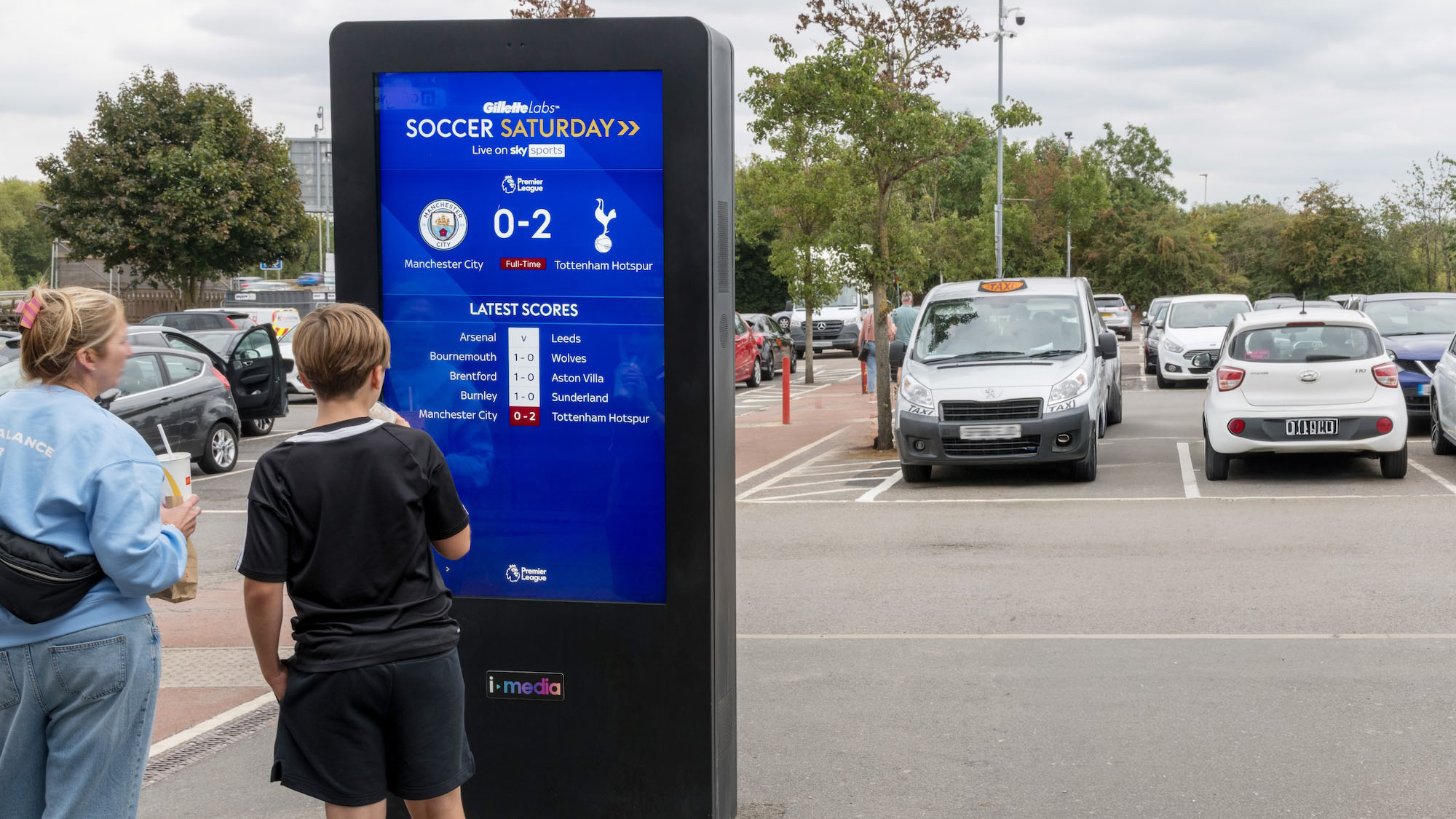
The FIFA World Cup runs from 11 June to 19 July across 16 cities in the US, Canada and Mexico. With 48 teams, 104 matches, 39 days, it’s the largest tournament in the competition’s history. And while the football is being played 4,000 miles away, the audience is already in motion much closer to home.
For brands outside FIFA’s official sponsor list, that movement is the opportunity. The World Cup pulls people into pubs, into supermarkets, onto the road for fan zones, big-screen venues and friends’ houses. We already know that Out of Home is a great way to target World Cup fans, and within OOH, motorway service areas are where high-value sports audiences over-index most sharply.
The MSA Audience Is a Sports Audience
Across YouGov profiling, regular MSA visitors over-index against the national average on almost every measure of sports engagement we track.
• +118% more likely to describe themselves as ‘sports mad’, more than twice the UK average
• +128% more likely to place a bet at a live sporting event
• +72% more likely to attend live games
Underneath those headlines, the behavioural picture is consistent. Regular MSA visitors watch roughly twice the volume of live sport on TV as the average adult and are +22% more likely to watch football live. They buy merchandise, wear it to games, drink at venues, organise pre-drinks and spend on food at events, all at significant uplifts against the national norm. Nearly half say their love of sport is a core part of their identity. These aren’t passive viewers; they are the people who fill pubs at kick-off, spend on takeaways and alcohol on match days, and travel to be part of the moment. Recent industry research suggests 49% of UK fans plan to spend significantly more on alcohol and takeaways during the tournament and 36% plan to watch matches in pubs or bars. Our audience over-indexes on every behaviour underneath those headlines.
Motorways move with the tournament
The MSA environment matters during major tournaments because road travel scales with fixtures. We see this clearly in ANPR footfall data from previous events.
Fans travelling for the Six Nations fixture England v Wales atTwickenham drove a +14% increase in MSA visits on the M4 corridor. The 2022 FA Cup Semi-Final between Liverpool and Manchester City lifted visits +12%. EFL Play-Off Finals at Wembley, drawing audiences from Huddersfield, NottinghamForest, Sunderland, Mansfield and Port Vale, pushed footfall +6% to +8% depending on the tie.
These uplifts matter for two reasons. First, they prove that road travel for sport is measurable, predictable and concentrated on specific corridors. Second, they give media planners something rare in OOH: the ability to anticipate audience swell before it happens, and trigger creative accordingly.
For the World Cup, the same logic applies to fan zones, big-screen venues, friends-and-family gatherings, and the drives home from late kick-offs. Group stages stretch across the summer school holidays and the start of the festival season. Knockout football collides with weekends, road trips and Sunday lunches. Every late kick-off creates a morning-after audience that is, almost by definition, on the move.
Why the categories without official sponsorship should be here
OOH has been positioned across the industry as the primary channel for brands that don’t carry official FIFA association. Four categories in particular have strong activation logic at MSAs during a World Cup:
Pubs and on-trade. With 36% of UK fans planning to watch in pubs or bars and 71% preferring to watch in groups rather than alone, the journey to the venue is the funnel. MSA audiences are +47% more likely to drink at venues and +41% more likely to organise pre-drinks, so they are already the on-trade’s most engaged customer. Roadside messaging on the route to the pub does the work that TV cannot do at 7pm on a match day.
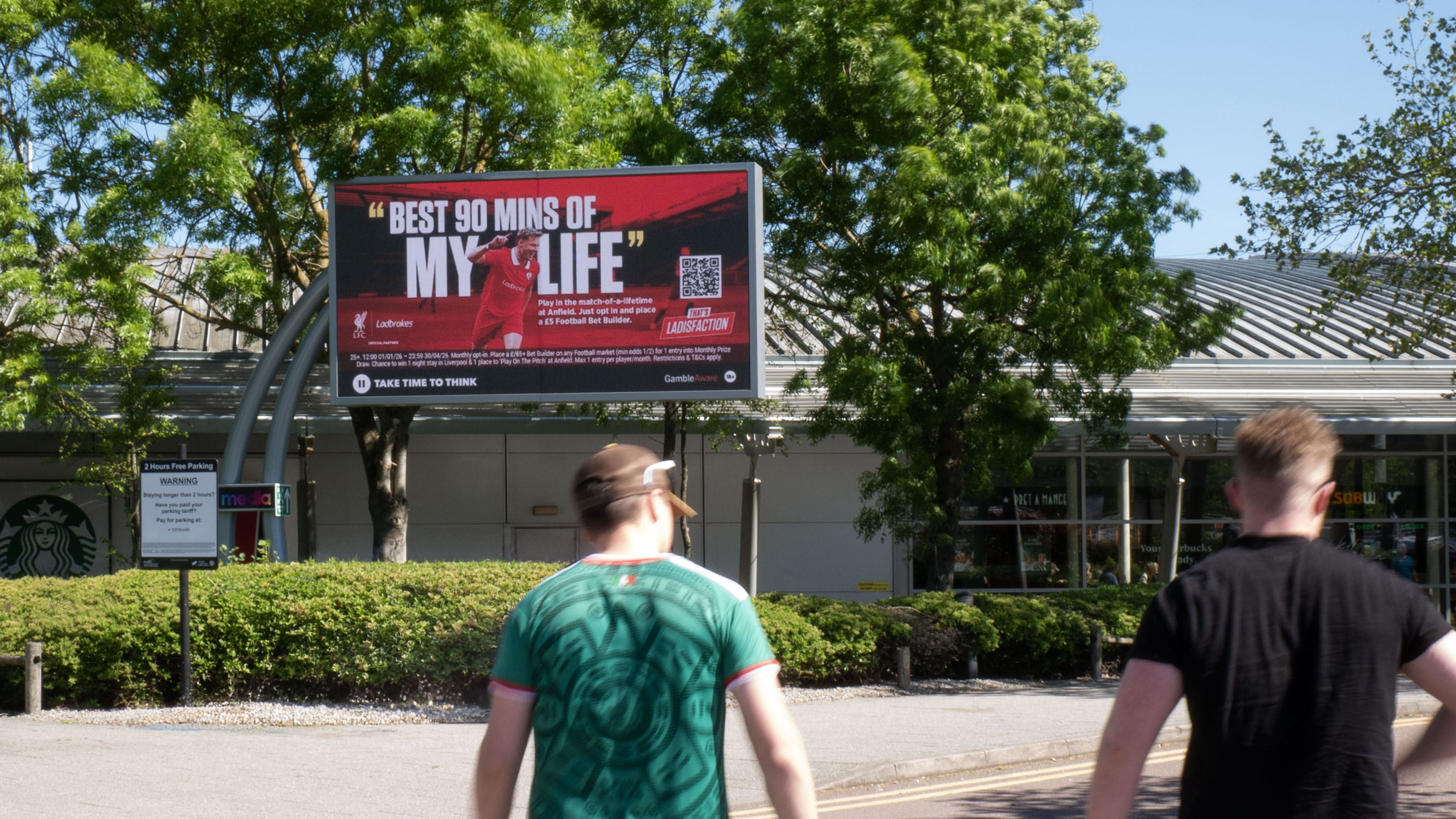
Betting brands. The category is built for this audience. Regular MSA users are +227% more likely to say betting helps them feel connected to sport, +232% more likely to pay attention to event sponsors, and +290% more likely to bet online daily than the UK average. Female monthly MSA visitors are three times more likely to use online betting daily than the UK female average. We’ve already run campaigns at scale for Sky Bet, BetVictor, Bet365 and BetFred against this audience indicating that the demand signal is established and consistent.
Food and snack FMCG. 70% of fans expect household spending to increase during the tournament, and 61% are likely to visit a supermarket on game days. MSA audiences over-index on the snacking and convenience missions that sit alongside live sport, and the dwell time on our network (22 minutes on average) gives FMCG brands meaningful exposure ahead of the in-store decision.
Automotive. Motorway audiences are, by definition, drivers. Sports-fan drivers in particular over-index on F1 interest (+48%rating it a top interest) and on the broader automotive lifestyle. Brands seeking driver attention during the tournament have a captive, dwelling, brand-receptive audience at the precise moment they’re refuelling, recharging or stopping for food.
What the Channel Now Delivers
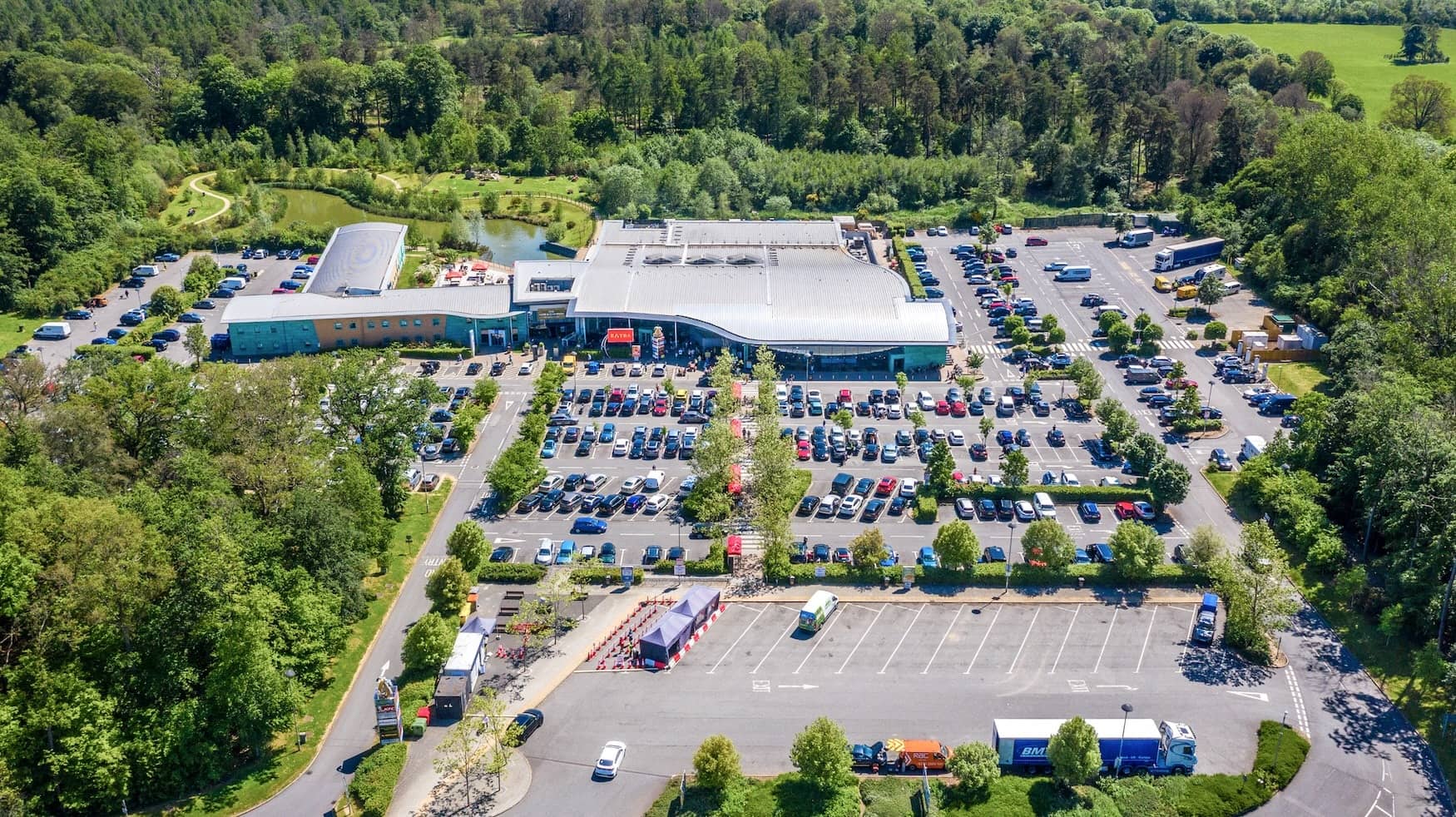
Our network combines 1,000+ full-motion digital screens with ANPR-driven targeting, EPOS data and programmatic execution, which means activity can be triggered by real-world inputs: fixture timing, weather, traffic flow on key match-day corridors, even vehicle composition at site level. That capability has matured significantly in the last 24 months, and it’s what allows the channel to behave more like performance media than broadcast.
For a tournament that will be defined by late kick-offs, knockout drama and unpredictable home-nation runs, that responsiveness is what separates a generic World Cup campaign from one that actually moves with the audience.
i-media operates the UK’s most intelligent full-motion digital outdoor network, with 1,000+ screens across 130+ motorway service areas, roadside forecourts and EV hubs. To plan a World Cup activation against our sports audience, get in touch.
