


Route's Digital 6-Sheet (RD6) network is one of the most actively planned formats in Out of Home right now. Agencies and specialists rightly treat it as a high-quality, scalable environment for reaching audiences on the move. But as with any format, the question isn't just how many frames you buy - it's how many people you reach. And reach, by definition, is only valuable if it's new. That's where i-media's position in the RD6 market becomes significant.
A network that goes where others don't
Across Route's 613 RD6-covered towns, i-media is present in 199 — that's 32.4% of all towns in the dataset. More importantly, 92 of those towns are exclusive to i-media. That means that in 92 locations, you cannot reach the audiences there through any other RD6 operator.
When ranked by exclusive town coverage across all media owners active in the RD6 format, i-media sits second. Put simply: if RD6 reach is the goal, i-media delivers audiences that no one else can.

What this means for planning
For agencies building RD6 campaigns, the practical implication is straightforward. Adding i-media to a schedule doesn't just extend a buy - it expands the map. The 92 towns i-media covers exclusively represent genuine incremental reach; audiences that are not duplicated by any competing operator in the format.
For advertisers focused on breadth - brands running national campaigns, retail footprints targeting out-of-town and forecourt-adjacent locations, or FMCG clients seeking to maximise unduplicated reach - that distinction matters. Incremental reach isn't a planning nice-to-have. It's how effective frequency models work and how wastage is kept in check.
The forecourt and service area advantage
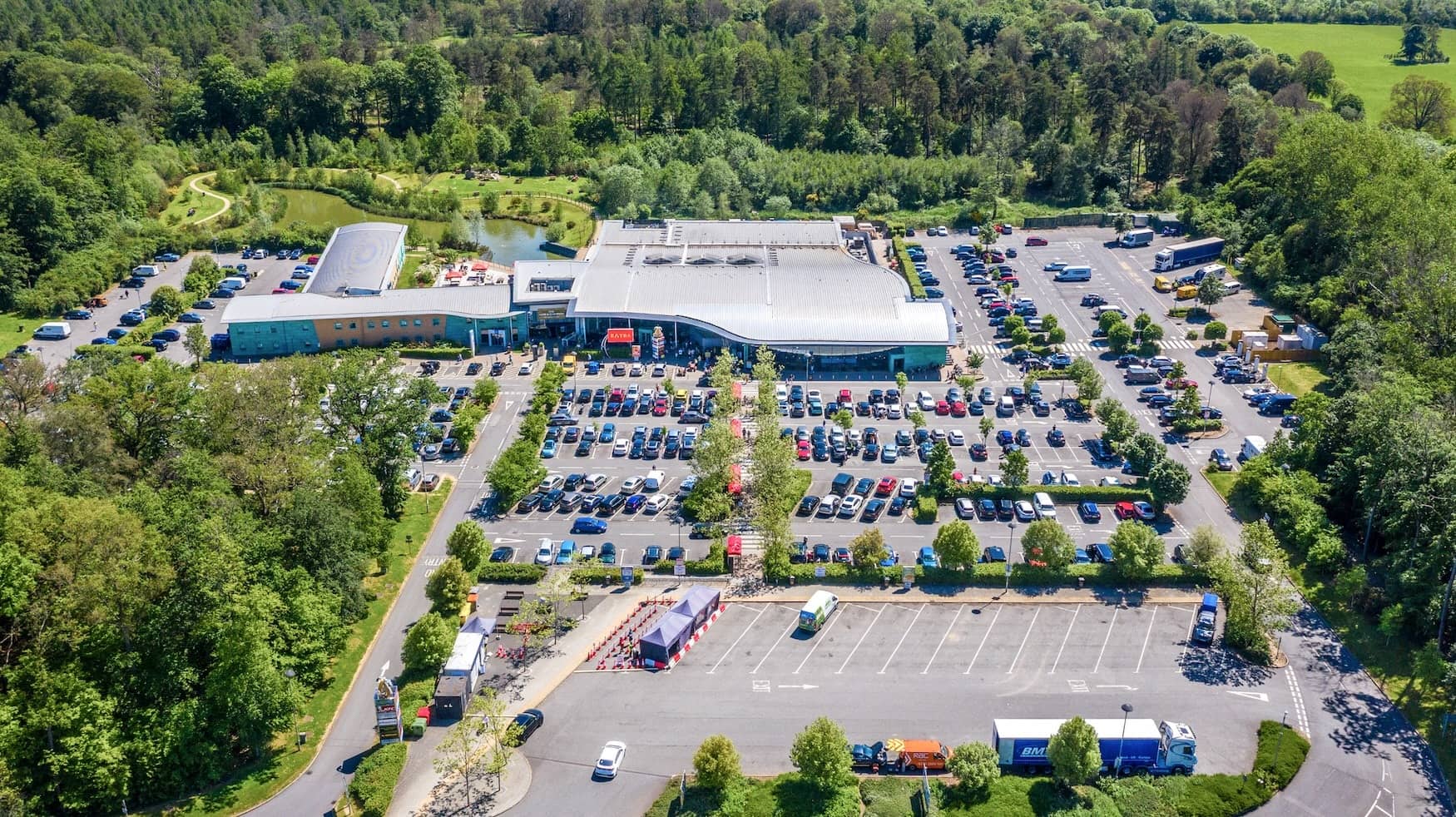
i-media's estate is built around motorway service areas, EV hubs, and petrol forecourts - locations that sit in communities, retail parks, and arterial road catchments that traditional roadside networks are less likely to prioritise. That geographic logic is precisely why the town-level exclusivity stacks up: i-media isn't competing for the same high street and town centre sites. It's covering different ground.
That means the incremental reach story isn't a coincidence. It's a structural feature of where i-media operates.
If you're building or recommending an RD6 campaign and i-media isn't on the plan, it's worth asking one question: where is the incremental reach coming from?
Source: https://oohspace.co.uk/
Numbers as of 1st May 2026 and subject to change as i-media continues to expand their national footprint of RD6s.
