


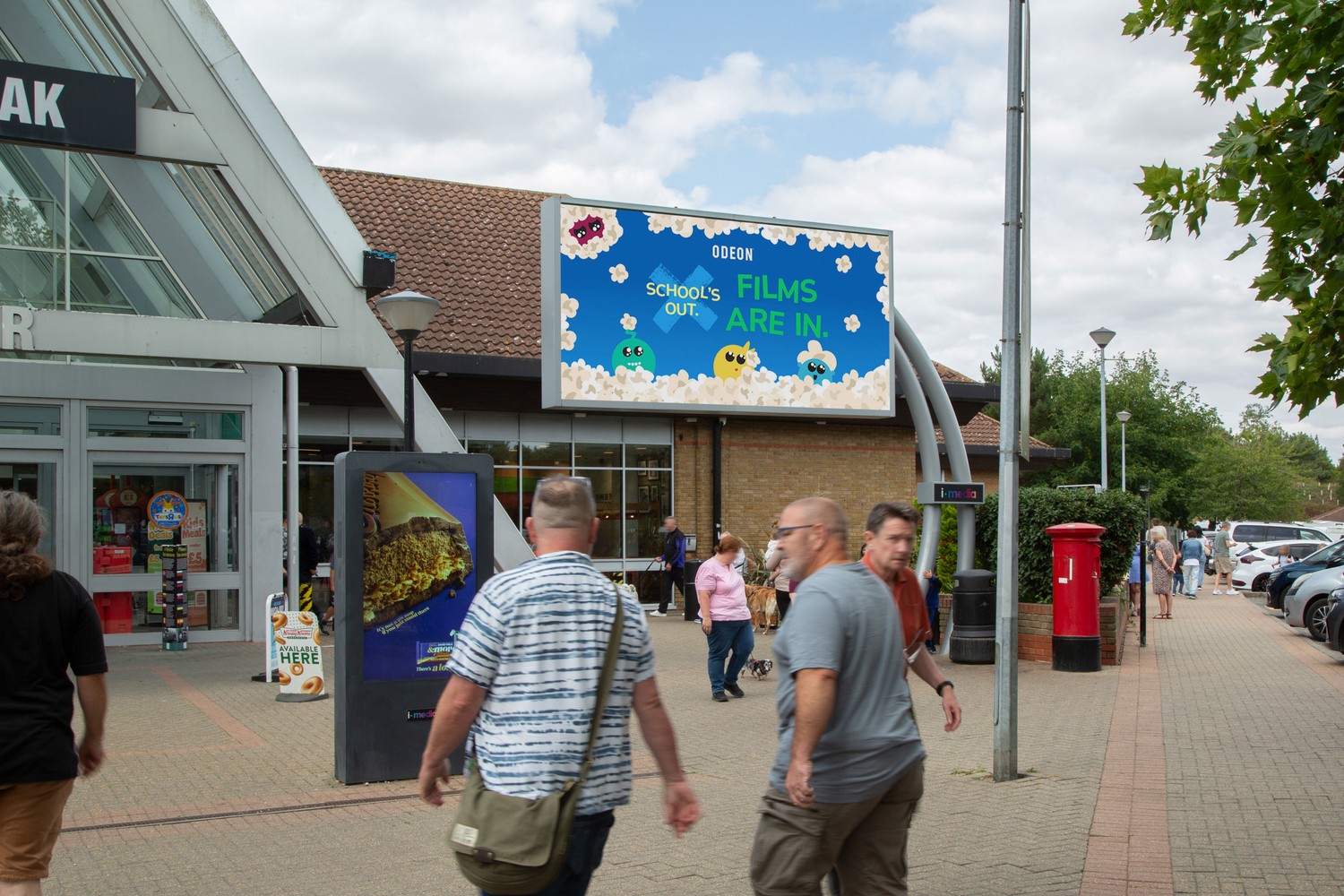
The regulations that are reshaping media planning: that's where the opportunities lie. Since January 2026, the advertising landscape for food and drink brands has changed significantly. The UK’s HFSS regulations introduced a ban on paid online advertising for products high in fat, salt and sugar, alongside a 9pm watershed for TV and on-demand services.
Across the industry, the impact has been immediate. Media planners have had to revisit plans and campaign forecasts, budgets are now moving between channels, and brands are reassessing how they maintain reach while staying within the new rules. For many advertisers, HFSS is no longer just a regulatory update, it has become a real planning challenge.
Much of the conversation so far has focused on what has been lost - fewer available channels, more complex planning, and greater scrutiny of every campaign that goes out. But this regulation has not removed opportunity altogether. It has only changed where the opportunity sits.
For brands willing to rethink how and where they reach audiences, there are still environments that remain both effective and compliant. Motorway service areas are one of them.
Motorway service areas remain a powerful environment in the face of changing regulations
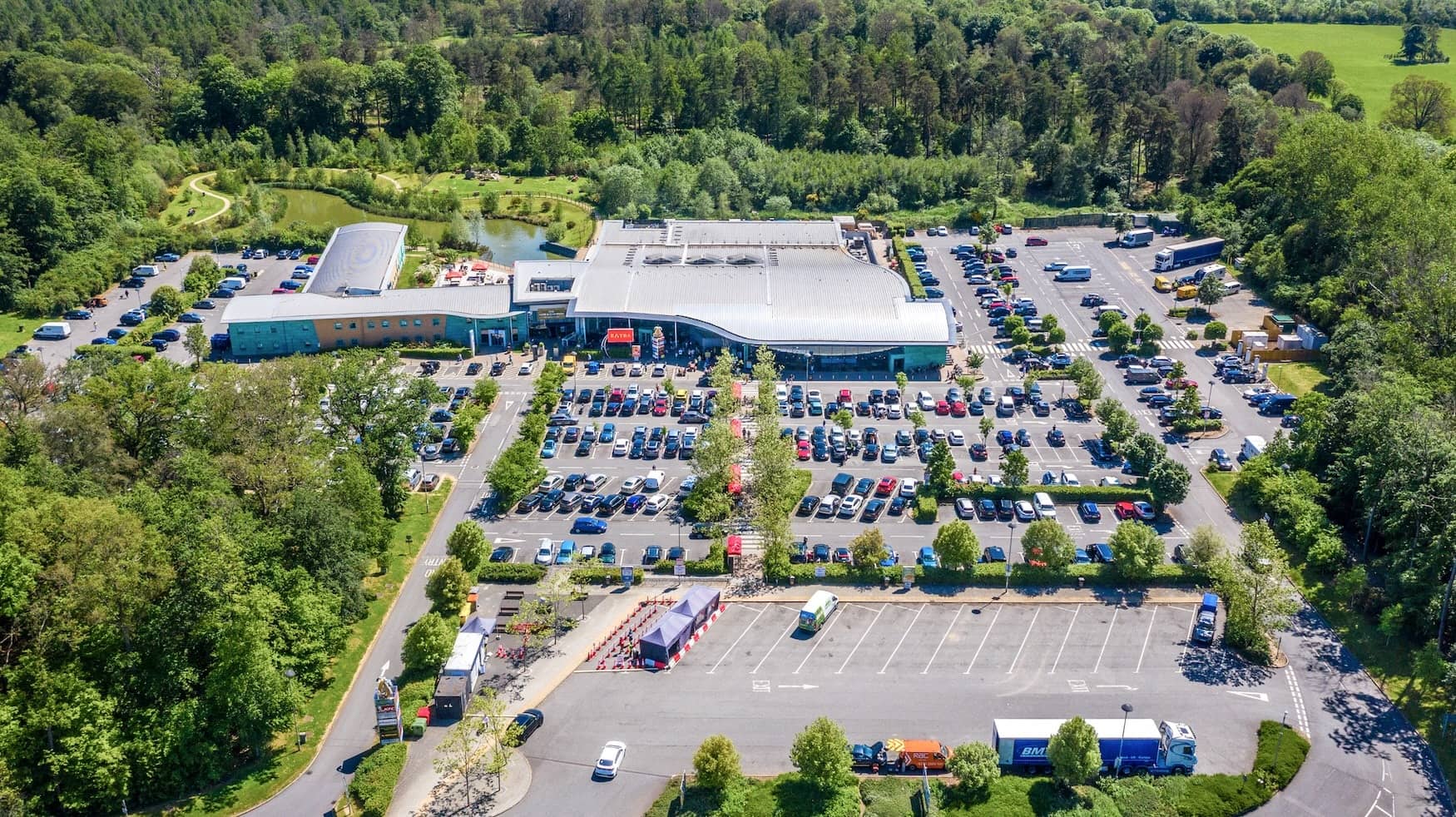
Motorway service areas (MSAs) are very different from most other advertising environments. They are places people choose to stop, predominantly used by adult motorists, and built around travel, rest and refreshment. That pause creates a rare moment within the journey.
Visitors spend around 22 minutes on site on average, and 77% of them stop specifically to eat or drink while they are there (Source: Transport Focus). This shows the small choices people make when they leave the road. Context is very important for how well ads work. It's a whole different story to get in touch with someone when they're on a break and ready to spend money than to interrupt them while they're scrolling.
Research from Transport Focus shows that taking a break during a journey increases happiness levels by 33%, and these audiences who stop to take a break are in a positive mindset. This leads to improved advertising performance and user engagement, with a measurable uplift in recall, brand favourability and impulse purchase behaviour.
Alongside traditional motorway visitors, service areas are also seeing the growth of a new audience in the form of EV drivers. Charging stops typically involve longer dwell times, often 25-30 minutes, and attract a demonstrably more affluent audience. This makes them particularly relevant for premium food and drink brands operating within HFSS constraints, where context and audience quality play an increasingly important role.
In other words, MSAs are not just compliant environments. They are highly effective in creating a strong brand-consumer connection.
Scale without compromise
One of the common assumptions around HFSS planning is that compliant environments inevitably mean smaller audiences or fragmented coverage. In reality, audience scale is often shaped less by channel and more by movement - where people travel, pause and spend time.
Motorways remain one of the UK’s most heavily used transport networks. According to Department for Transport data, motorway traffic accounts for around 21% of all vehicle miles travelled in England, despite representing just a tiny part of the road network. This high-density, strategic network, saw 70.2 billion vehicle miles in 2024, acting as a primary artery for national travel. (Source: RAC Foundation and Gov.UK).
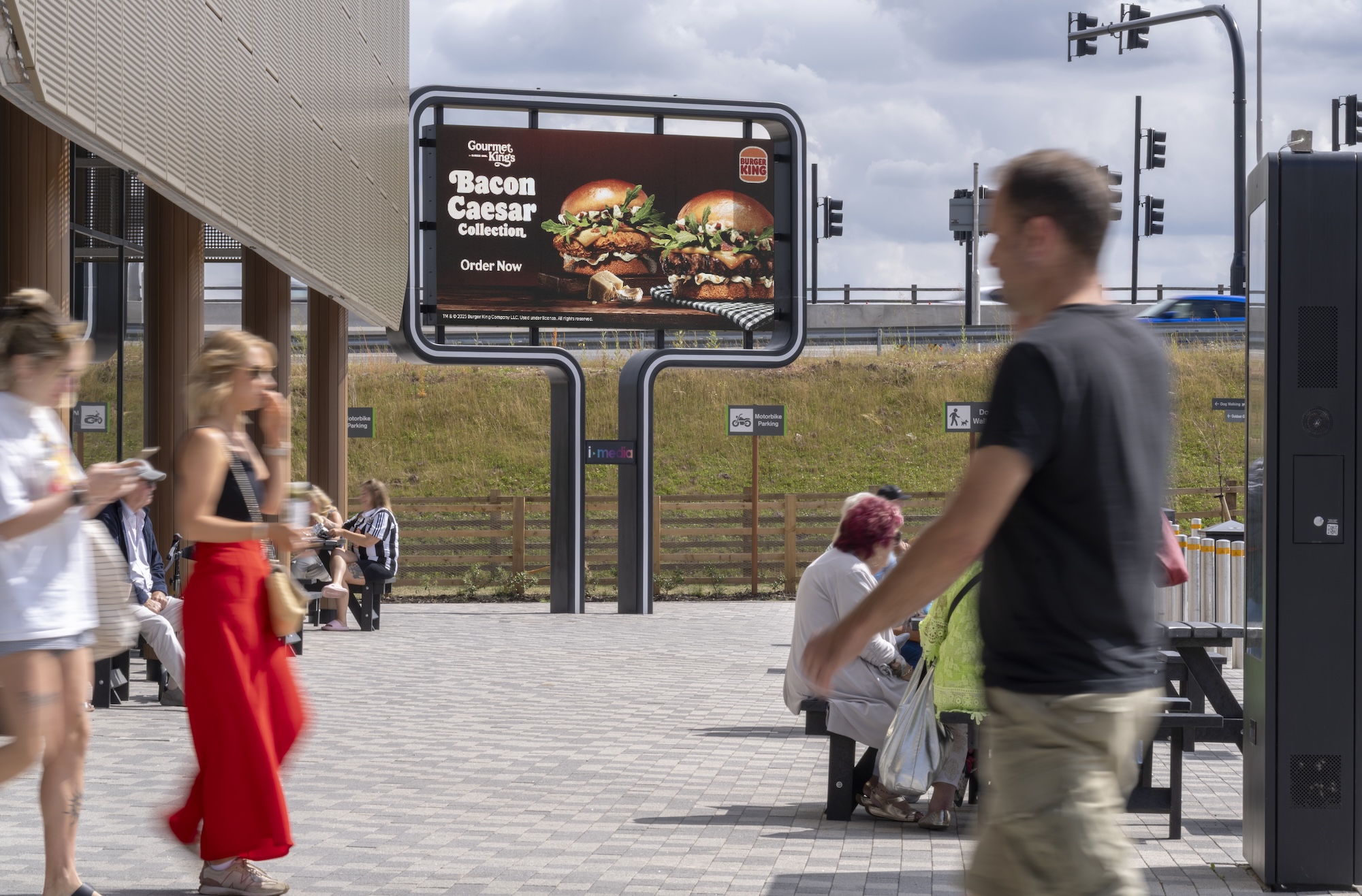
Within this landscape, motorway service areas combine national reach with high-attention dwell time. The i-media network spans 132 motorway service locations across the UK, connecting audiences through a mix of roadside, forecourt and in-store digital screens. The result is an environment where coverage across 132 locations allows brands to achieve a national footprint without stepping outside HFSS-compliant environments.
In other words, compliance does not necessarily mean sacrificing reach - it simply requires a more considered approach to where audiences are reached.
Real-time travel data is changing what's possible for food & drink brands
HFSS planning should not simply be about avoiding risk. It should also be about finding more intelligent ways to reach the right audience. HFSS compliance forces greater precision around audience context, and that's exactly where data-led targeting becomes most valuable rather than least. i-media’s proprietary ad-tech infrastructure adds another layer of intelligence.
By combining ANPR vehicle data, location intelligence and electronic point-of-sale insights, motorway media can move beyond broad demographic assumptions. Instead, campaigns can align with real travel behaviour and the moments when people are most likely to stop, snack or purchase.
For example, EPOS retail data across motorway services shows clear lunchtime peaks in snack purchases, with confectionery, energy drinks and soft drinks leading the category. The combination of retail insight and screen placements within environments such as WHSmith allows brands to appear at moments when consumers are making real purchase decisions.
A moment for the industry to rethink context
The HFSS rules are ultimately about protecting younger audiences, a goal most of the industry supports. But they also prompt a broader question. Where does advertising work best – can regulated environments still drive connections?
For years, digital media planning has often prioritised reach/scale over context. The HFSS regulations challenge that mindset by forcing brands to consider where their messages appear and who they are reaching.
At the same time, the new rules are already reshaping behaviour across several sectors. Categories such as sports nutrition, functional drinks and better-for-you snack brands are beginning to rethink how and where they communicate. Through a combination of product reformulation, portfolio diversification, and a shift toward brand-level, rather than product-led, marketing. Brands are shifting their attention towards environments that naturally skew towards adult audiences and real-world consumption moments.
With enforcement now in place, brands and media owners face greater scrutiny around where HFSS advertising appears and how audiences are reached. As a result, compliance is becoming a more central consideration within media planning decisions.
Motorway service areas offer something increasingly rare in modern media environments: an audience that has intentionally paused. Travellers step away from the road, take a break and often make small purchasing decisions while they are there.
Across the UK, digital screens appear at more than 130 motorway service locations, positioned along the natural stopping journey - from roadside approaches into service areas to forecourts and retail environments such as WHSmith. This allows brands to connect with travellers at several points during that pause.
As brands continue adapting their media plans in response to HFSS regulations, environments that combine scale, attention and natural compliance are likely to become increasingly important. Because when people take a break from the road, they create a moment where brands can naturally connect.
