


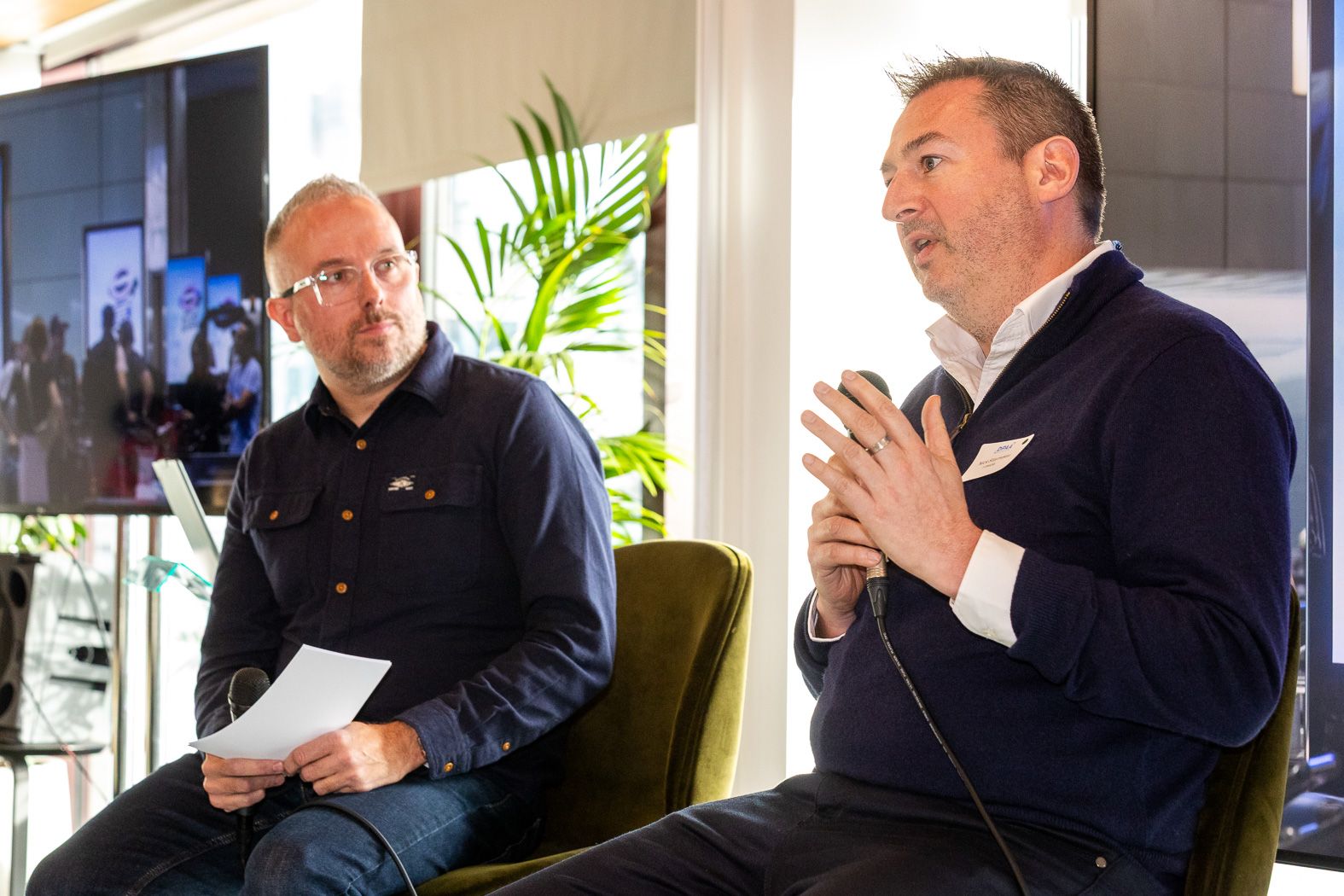
i-media was a proud partner of the DPAA UK Breakfast with WPP Media, held this month in London, where senior voices from WPP Media, DOOH.com, Transport for London and i-media explored why out-of-home is entering what one speaker called a "golden age of marketing effectiveness" - and shared new research on the role public media plays in protecting brand pricing power.
The Peacock Effect: why public media protects pricing power
Jenny Roper, VP OOH Intelligence at WPP Media, and David Wilding, EVP Strategy at WPP Media, opened proceedings with what they called "the Peacock Effect": the idea that, in a world increasingly flattened by AI-generated content, out-of-home signals quality, trust and scale in a way that sets brands apart from the digital "sea of sameness."
David Wilding argued that advertising has traditionally done one of two jobs - converting current demand or building future demand - but that a third role is now critical: protecting pricing power. With cost pressures set to continue, he said many brands will need to raise prices over the next two to three years, and a strong, publicly visible brand is one of the few ways to do that "without losing either goodwill or significant sales."
To quantify the effect, Jenny Roper introduced the WPP Media Pricing Power Test. In a live demonstration with the room — choosing between two identically priced gyms - preference for the stronger brand rose from 47% with no advertising exposure to 68% once public media was introduced, and held up far better than private, social-only advertising once the price increased. A second test, run across car brands, showed exposure to public media closing much of the perception gap between a challenger brand and BMW, even after a price rise of over £12,000.
Scaling creativity with data: DOOH.com on dynamiccampaigns
Andrew Newman, CEO and co-founder of DOOH.com, and Stephen Edison, the company's Managing Partner, set out how dynamic creative optimisation (DCO) has moved from a once "risky" tactic to a main stream part of the OOH mix, now accounting for 12% of all WPP Media campaign distribution.
Their Deliver platform, Andrew Newman said, brings creative delivery, automation, compliance and real-time execution "all in one place" — and is now open to any agency or specialist who wants to scale dynamic capability.
Data inaction: TfL, WPP Media and i-media
A panel hosted by Stephen Edison brought together Transport for London, WPP Media client director Charlotte and i-media's Chief Growth Officer Nick Slaymaker to discuss how data is being used to drive genuine public utility, not just targeting.
TfL's panelist described how the Elizabeth Line arrivals campaign combined flight, language and baggage data to deliver relevant messaging to tired, disorientated international travelers - and drove a 22% uplift in service usage. The team's Car Driver Nudges campaign, which used live congestion data to nudge non-routine car journeys onto public transport,delivered over one million incremental journeys and a return on investment of£3.85.
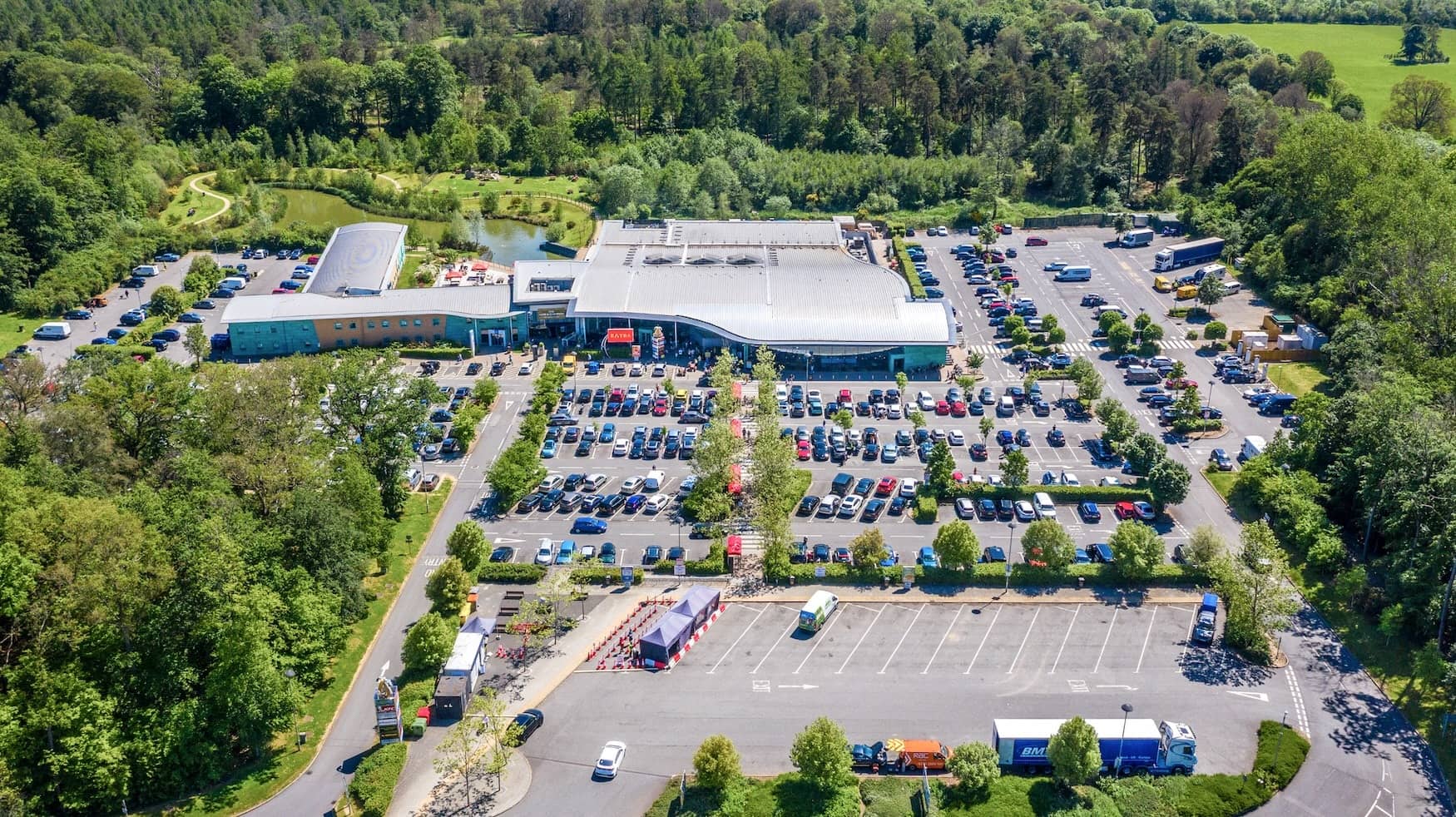
Discussing i-media's ANPR Audiences work with Lloyds Bank across the UK's motorway service areas, Nick Slaymaker said:
Using our open banking data, we identified Lloyds' existing customers and targeted them in real time as their cars arrived on site- turning a broadcast medium into something genuinely personalised. The uplift we've seen in favourability, recall and the perception of Lloyds - not just as a finance partner, but as a partner for the whole car journey — has been huge.
Immersive creativity and the rise of AI
A second session turned to creativity and technology. Citing VML research that 65% of consumers want brands to actively impress them with spectacular advertising, speakers argued that out-of-home's physical presence gives it an edge digital can't replicate: a shared, public moment that people photograph and carry onto social media. Nielsen and Analytic Partners data shared on the day suggests real-life brand experiences can lift online search and social engagement by more than 40%.
Examples ranged from hand-painted murals brought to life with web AR - which Lumen research shows hold attention for an average of 15 seconds, ten times longer than a social feed ad - to large-scale LED building takeovers in Milan and Berlin that generated 200,000 visitors and millions of social impressions. Speakers also previewed how AI is being used to scale dynamic content production, including a tool called Window that turns existing digital screens into AR-ready portals, and early experiments using generative AI to create shareable, personalised video moments in real time.
Thank you to our partners
i-media was proud to stand alongside WPP Media, DOOH.com and Transport for London as a partner of this breakfast briefing, and to see Nick Slaymaker represent the business on a panel discussing some of the most data-led work in UK out-of-home today.
The event was also a reminder of DPAA's wider programme inthe UK, including its We Do advisory council on inclusion in the OOH industry,with a Christmas party planned for 2 December and the next DPAA UK Town Hallset to take place at the London School of Economics.
