‍

Out of Home Advertising

Meet your audience in the real world

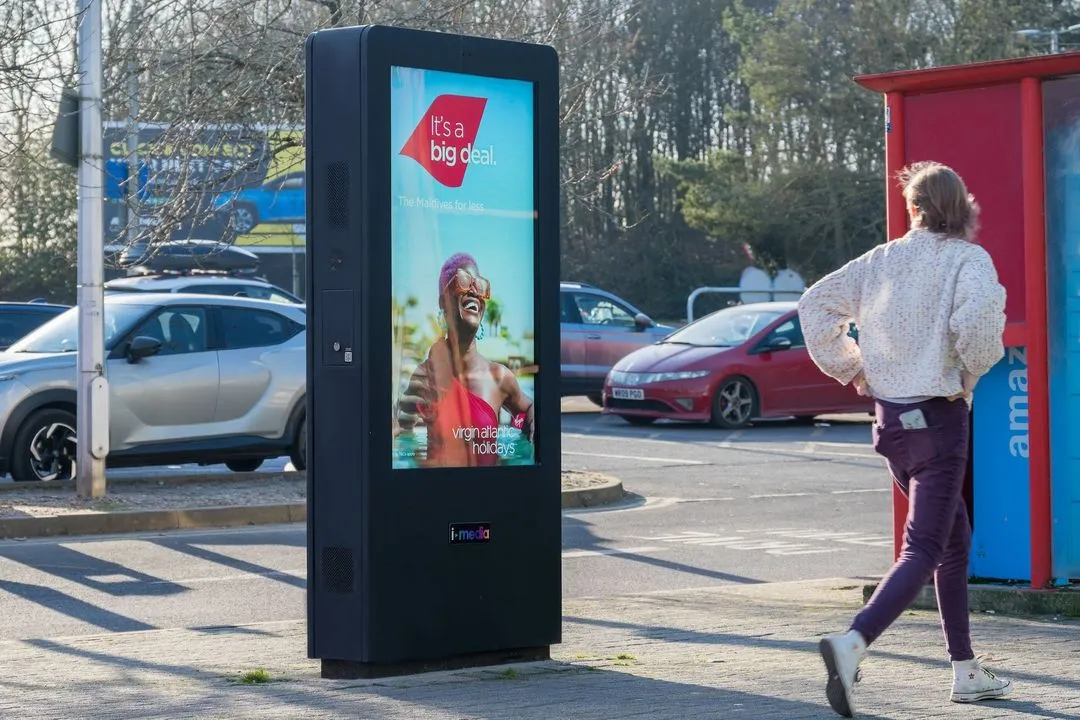
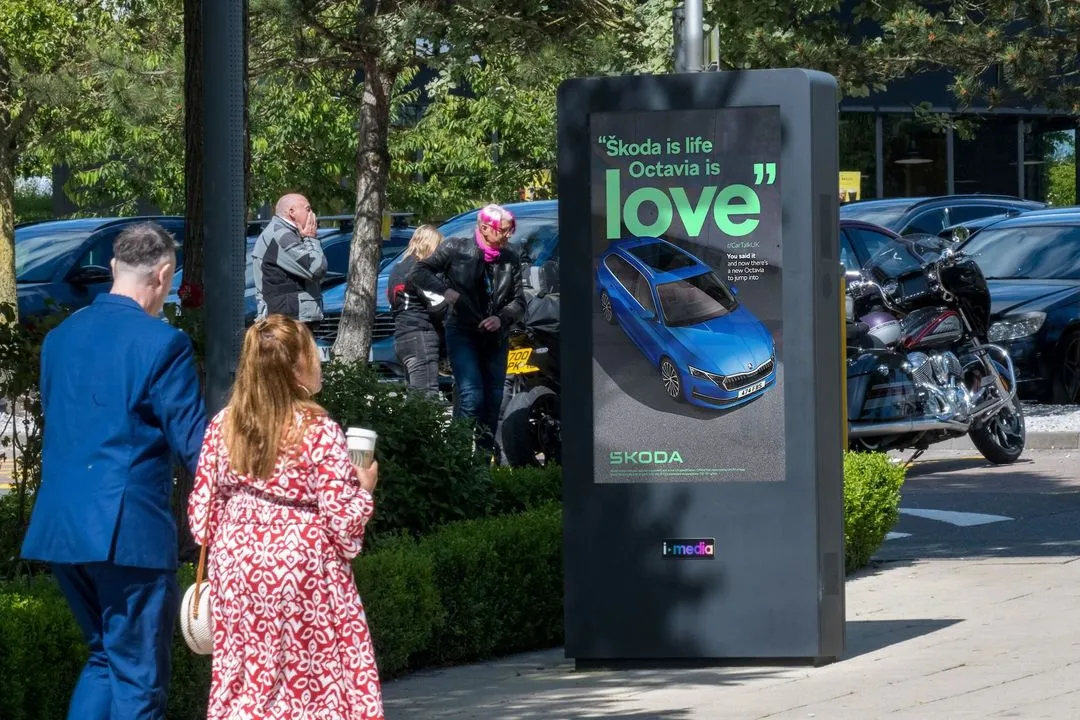
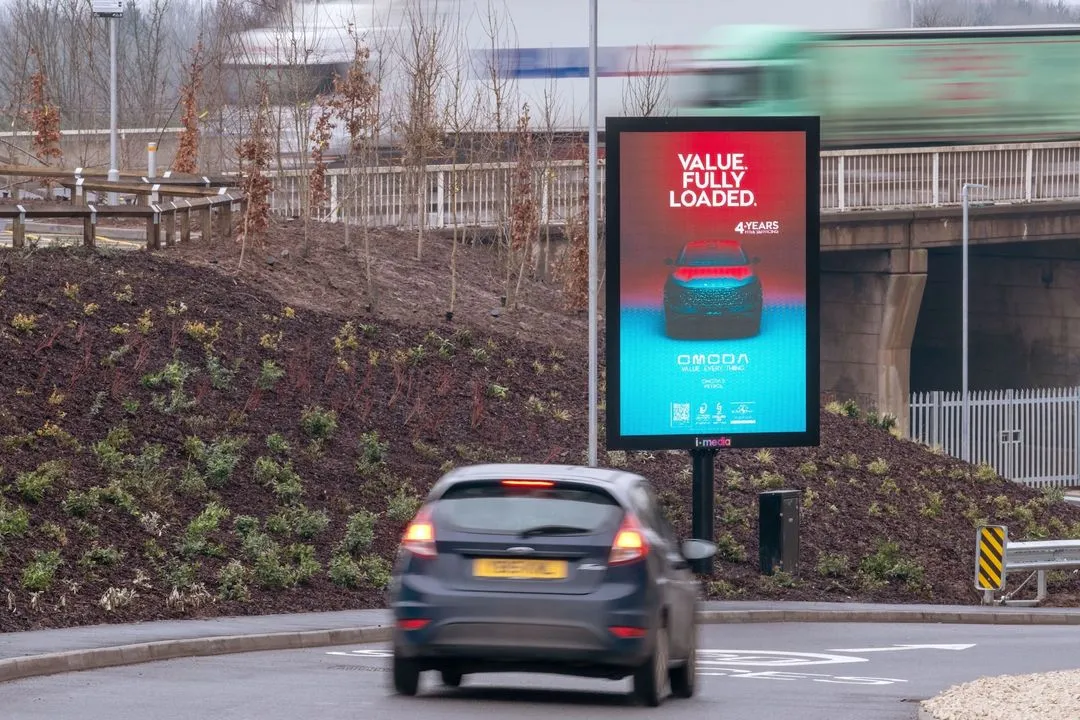
Out of home advertising, or OOH, is any advertising that reaches people in public spaces outside the home. It is a big, bold, broadcast medium, covering everything from city billboards to bus shelters to transport hubs. It is popular for building consumer trust, driving awareness and inciting real-world action, with no skip button and no ad blocker.

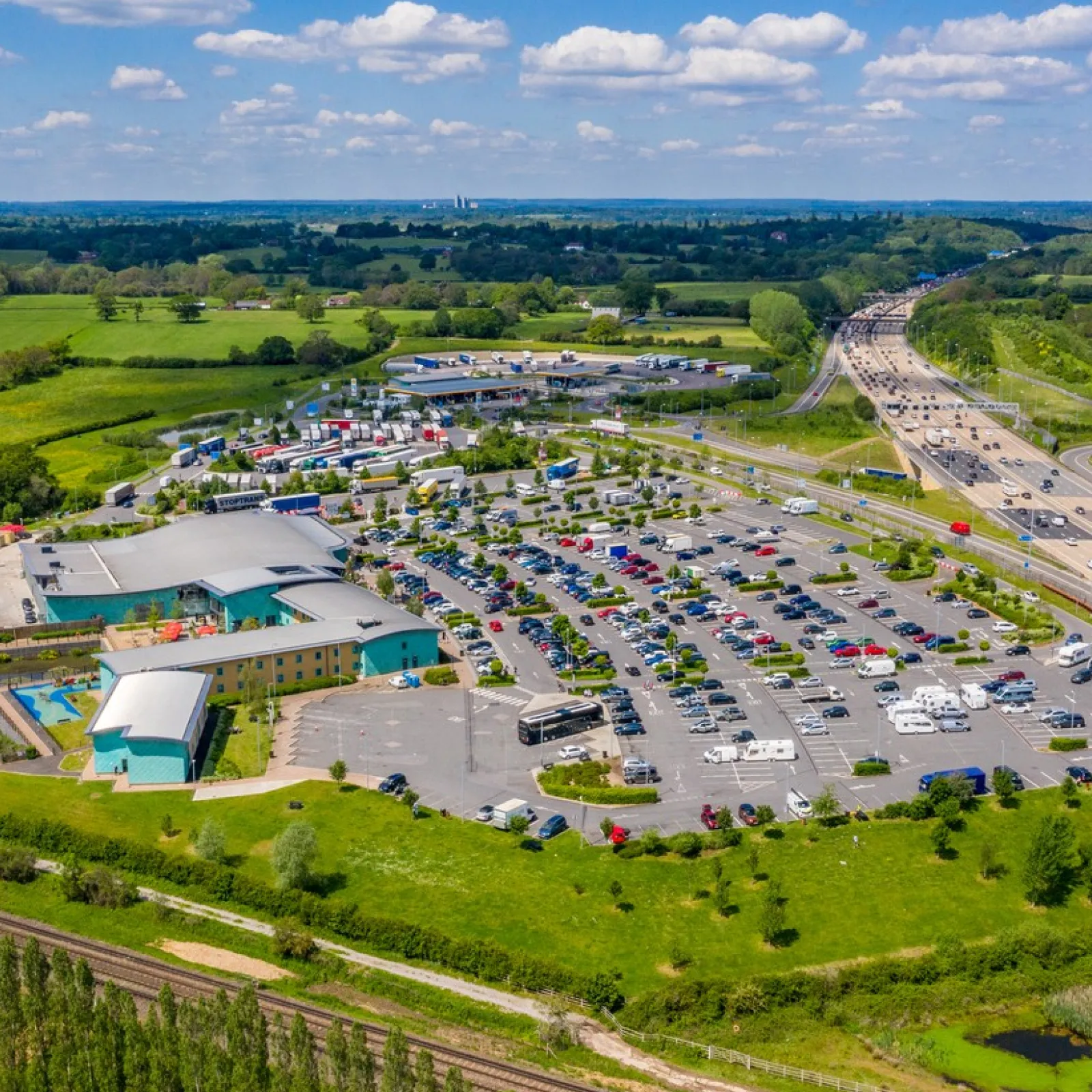
i-media takes OOH to the motorway. Our screens cover 98% of UK motorway service areas, reaching up to 8.1 million drivers a week who spend an average of 22 minutes on site. Plan your campaign around real audience data, not footfall estimates.

Peugeot ad on a Nexus screen at Cherwell Valley services

What is out of home (OOH) advertising?

Out of home (OOH) advertising is advertising that people see outside the home, from billboards and transport networks to retail spaces and the roadside.

It is one of the oldest media channels and one of the few that can't be skipped, muted or blocked. OOH covers both static formats, such as printed posters, and digital formats (DOOH), where screens let you change creative by time, location or audience. Together they put your brand in front of people as they commute, shop, travel and take a break.

i-media is the motorway specialist in OOH. With over 1,300 screens across motorway service areas, EV charging hubs and petrol forecourts, we reach drivers when they are paused, relaxed and receptive to your message. Add verified audience data from ANPR technology, and you get some of the most precise OOH targeting on the market.

‍

i-media takes OOH to the motorway

98%

UK motorway service areas covered

22 mins

Average dwell time on site

8.1m

Peak weekly visits

Formats

What are the different types of OOH advertising?

Why is motorway service area advertising so effective?

Most OOH catches people in passing. At motorway service areas, the audience has stopped, for 22 minutes on average. They are in a positive mood and a consumer mindset: £1.5 billion is spent every year on non-fuel purchases at motorway service areas.

A driver who has pulled in is stationary, relaxed and often looking for something to do. They are walking to a coffee, waiting for a charge or planning the next leg, with time to take in your message and a wallet in their pocket.

That combination of attention and spending power is what makes our environments some of the most effective in OOH.

Can OOH media be targeted to specific audiences?

Yes. Traditional OOH media is bought on footfall estimates and traffic counts. i-media plans around verified audiences instead.

ANPR Audiences is i-media’s own targeting product. It combines automatic number plate recognition (ANPR) with first and third-party data to show who is visiting each of our sites. You can build bespoke audience groups from over 3,000 variables, then target them in real time. Your OOH advertising is planned around the drivers who are actually there.

How much does out of home advertising cost?

The cost of OOH advertising in the UK depends on where your campaign runs, which format you choose, how long it runs and whether you add audience targeting. A motorway service area, an EV charging hub and a petrol forecourt each offer a different mix of audience and dwell time, so the best way to get an accurate OOH media price is to share your brief with the i-media sales team.

Format

Large-format screens such as the Digital 48 are priced differently from a Digital 6 sheet, a roadside D6 or a pump screen.

Campaign Length

A short burst suits a launch or an event. A longer run builds frequency, so more of the drivers who stop at our sites see your message more than once.

Ad-tech

Audience targeting, such as ANPR Audiences, is an added input. It lets you plan around verified vehicle data rather than footfall estimates.

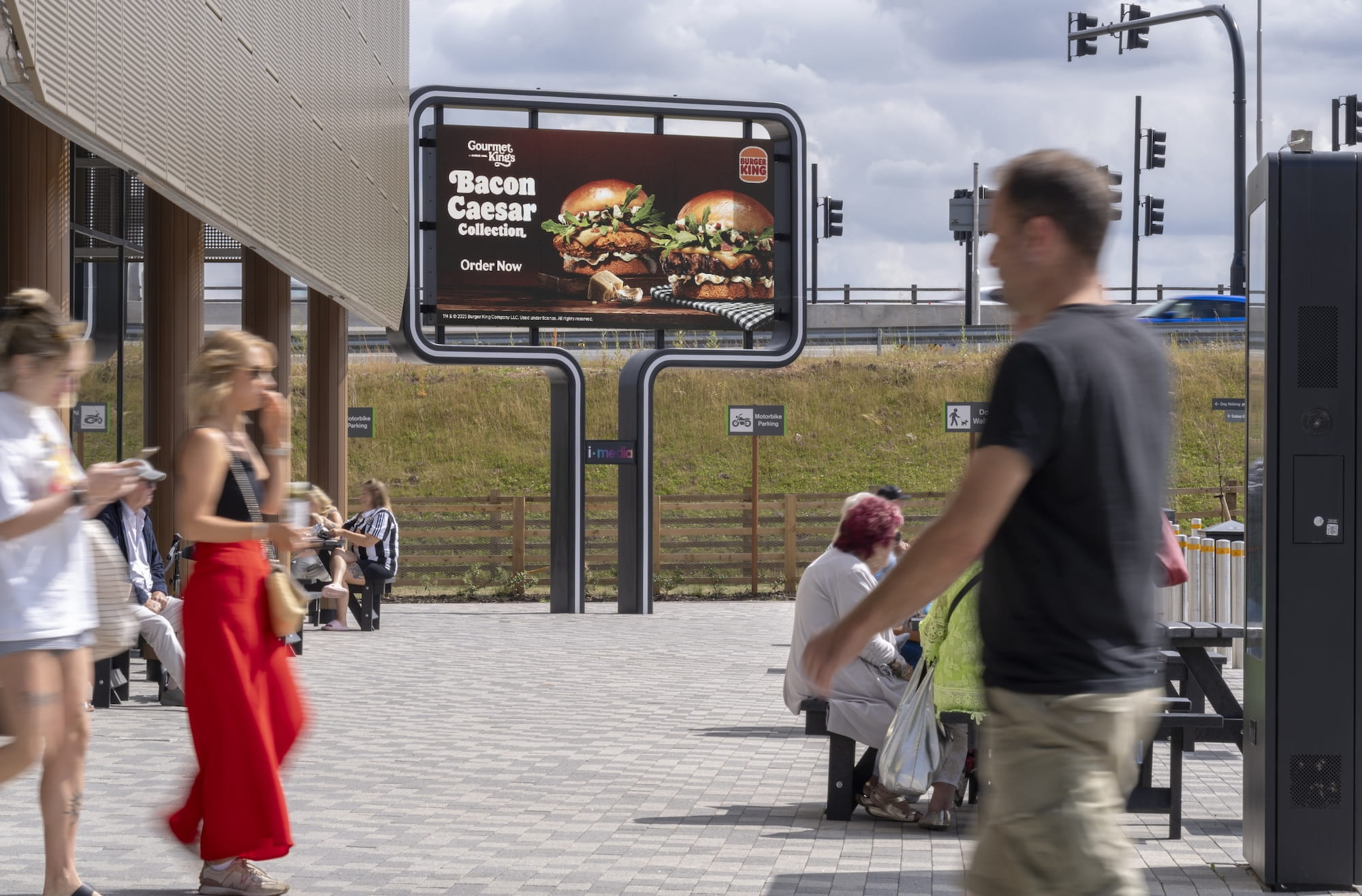
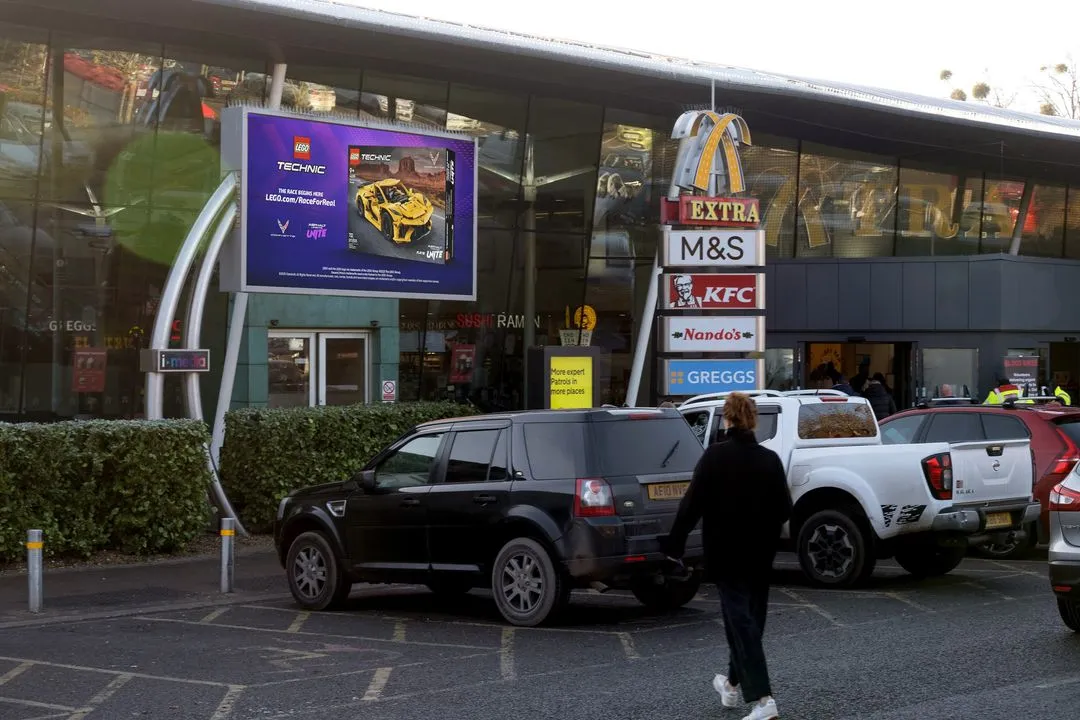
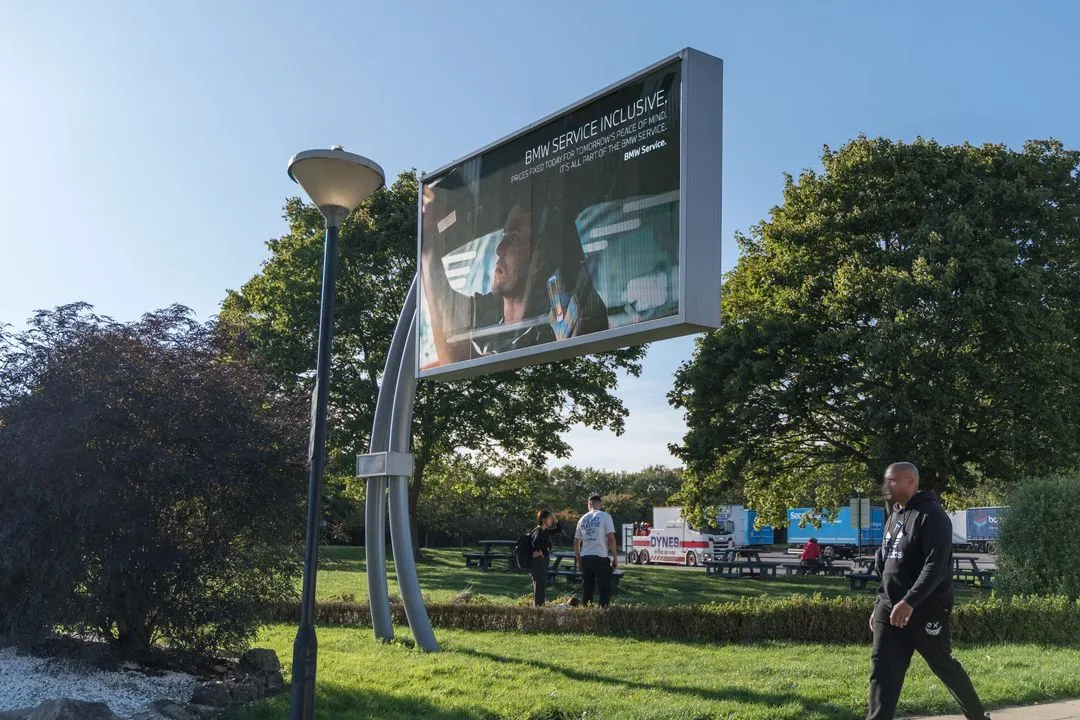
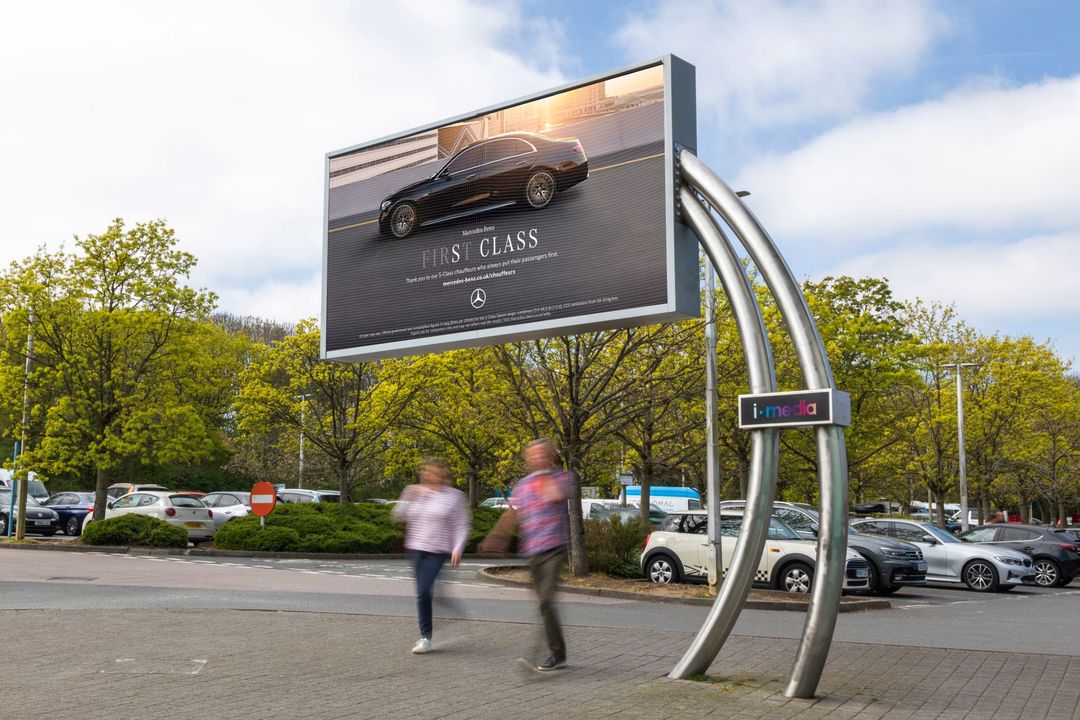
Student-targeted ad on a Digital 48 screen at a motorway service area

How does OOH advertising work across i-media's network?

Out of home advertising works by reaching people in the real world, at the moments when they have time to take your message in. On i-media’s network that means motorway services, EV charging hubs and petrol forecourts, where drivers spend 22 minutes on site on average. A campaign goes from brief to screen in four steps.

Choose your audience and environment

Start with who you want to reach. We match them to the right environment, then recommend the formats and timings that fit, from Digital 48 and Digital 6 to roadside D6.

Book the way that suits you

Buy direct with the i-media sales team, through your media agency, or programmatically on the platform you already use. The OOH plan is the same whichever route you take.

Send your creative

Your ad plays in a 10-second slot on our full-motion screens. We share the specs for each format and can resize or reformat your existing artwork, though we don’t produce creative.

Run, measure, repeat

Once live, we report on footfall and impressions, then add consumer surveys and EPOS data to show the effect on awareness and on-site sales. Use those results to plan your next campaign.

Why choose i-media for OOH advertising?

i-media offers motorway OOH inventory that can’t be bought anywhere else, backed by data on the drivers who actually see it.

Verified audiences

ANPR cameras record the vehicles arriving at our sites. You plan around observed drivers, not footfall estimates.

Real-time targeting

Our screens switch on the moment enough of your target audience arrives on site, so the right creative plays at the right time.

Exclusive sites

We hold exclusive advertising rights at motorway service areas, MFG forecourts and EV charging hubs across the country.

Scale and dwell

Full-motion screens across the network reach up to 8.1 million drivers a week, who stay 22 minutes on average at motorway services.

Frequently asked questions

Is out of home advertising still effective?

Yes. OOH reaches people in the real world, where they can't skip or block it. Service stations are particularly strong: drivers spend an average of 22 minutes on site, and those at EV hubs 27 minutes, with time to engage and make decisions.

What is the difference between OOH and DOOH?

OOH is the whole category of advertising outside the home. DOOH (digital out of home) is the digital part of it, using screens instead of static printed posters. DOOH lets you change creative quickly and target by audience.

How do you measure out of home advertising?

We measure OOH using real audience data, not estimates. After your campaign, we report on footfall and impressions, run consumer surveys to measure brand awareness and consumer action, and use EPOS data to show which products rose or fell in sales on site before, during and after the campaign.

How long should an OOH campaign run?

It depends on your goals. Short bursts suit launches and events, while longer campaigns build frequency and awareness. We will recommend a length once we understand your brief.

Do I need to supply my own creative?

Yes. We don't offer creative production, but we can resize and reformat your existing creative to fit each screen type. Reach out to creative@i-media.co.uk for questions and we will be happy to help where we can.

‍

What are the benefits of out of home advertising?

OOH builds consumer trust, drives awareness and prompts real-world action. It has no skip button and no ad blocker, so your message is seen by the people passing it. Digital formats add flexibility, letting you change creative by time, location or audience.

CASE STUDIES

See how brands have used OOH on our network to reach the right drivers and get results.

Contact us

Wanna take this outside?

Bring your next campaign to millions of motorists across the UK.