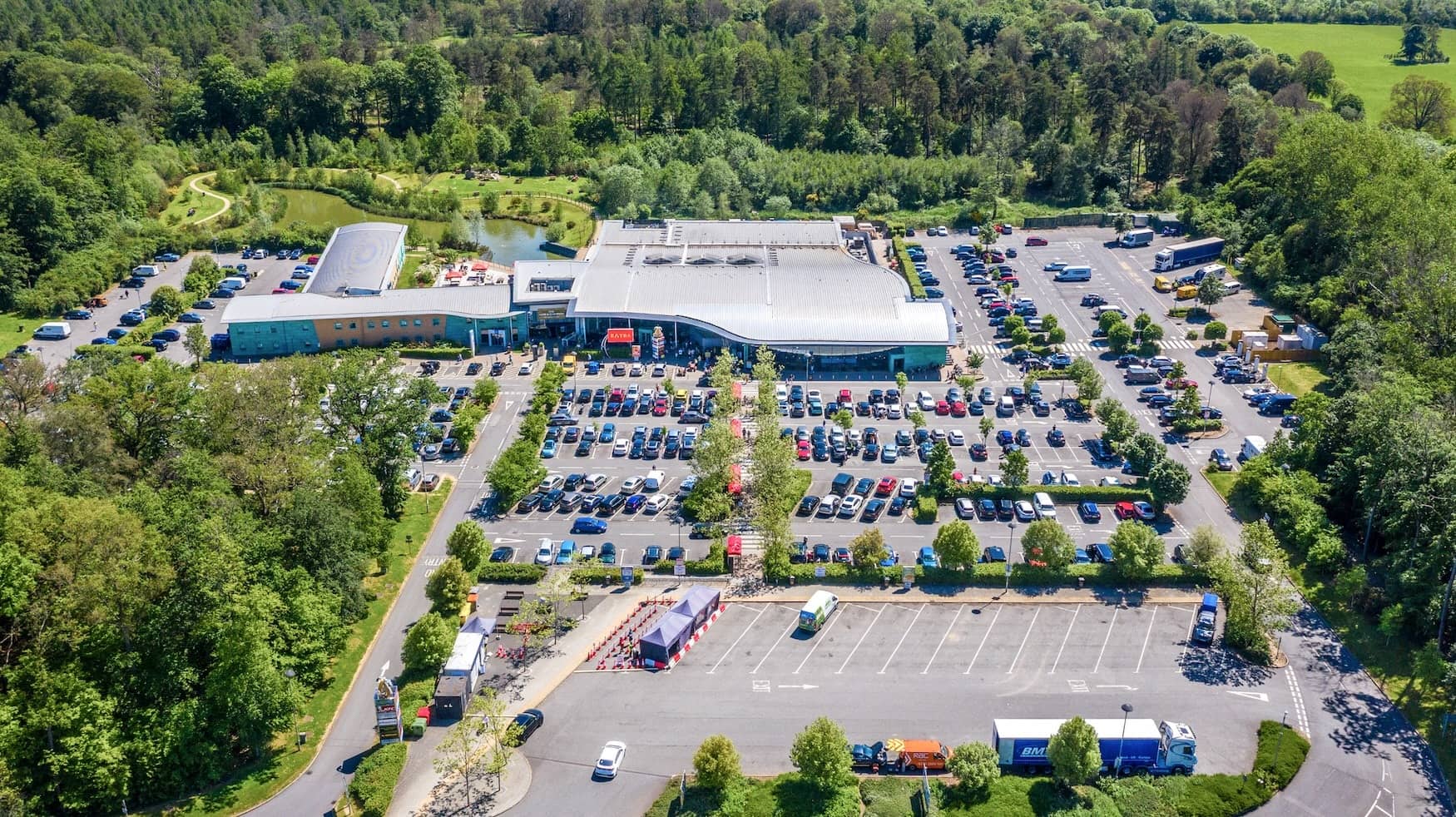
Halloween has become one of the most reliable seasonal retail moments on the i-media network, and the data shows exactly who is driving it. Motorway service area users are 21% more likely to be parents or carers of under-18s than the national average, 34% more likely to say they plan to trick-or-treat this year, and 27% more likely to have done so last Halloween. This is a family-led audience, and it over-indexes on every core Halloween behaviour: hosting a costume party (+25%), going apple bobbing (+31%) and spending on trick-or-treat confectionery (+29%).
The campaign window runs from 20 September to 31 October, spanning half-term and the trick-or-treat rush itself. Spend builds steadily through that period: late September is about building brand awareness ahead of the rush, mid-October sees half-term drive family shopping trips, and the final week before 31 October is when trick-or-treat top-up buying peaks. Category sales cluster tightly around the middle of the day, between 11am and 4pm, which shapes exactly when creative should run.
Motorway service areas also sit outside the restrictions most other Halloween advertising now has to navigate. There is no 9pm watershed and no HFSS ad ban across the i-media network, which matters for confectionery, FMCG and cosmetics brands that are increasingly boxed out of TV and online inventory. MSAs represent £1.5bn in annual non-fuel retail spend, a 33% uplift in impulse buying when shoppers are in a positive mood, and a 22% rise in happiness and relaxation on site. For brands in confectionery, costumes and fancy dress, beauty and cosmetics, or entertainment and streaming, that combination of a captive family audience, unrestricted advertising and a point-of-sale moment right before the till makes MSAs one of the last unrestricted routes to this audience.
Sources: YouGov Profiles GB, 16 Aug 2026 (household/demographic); YouGov Halloween seasonal tracker, annual MSA users vs nationally representative; PHD Connect 2025, Is Optimism Dead; Travel Focus report 2023.