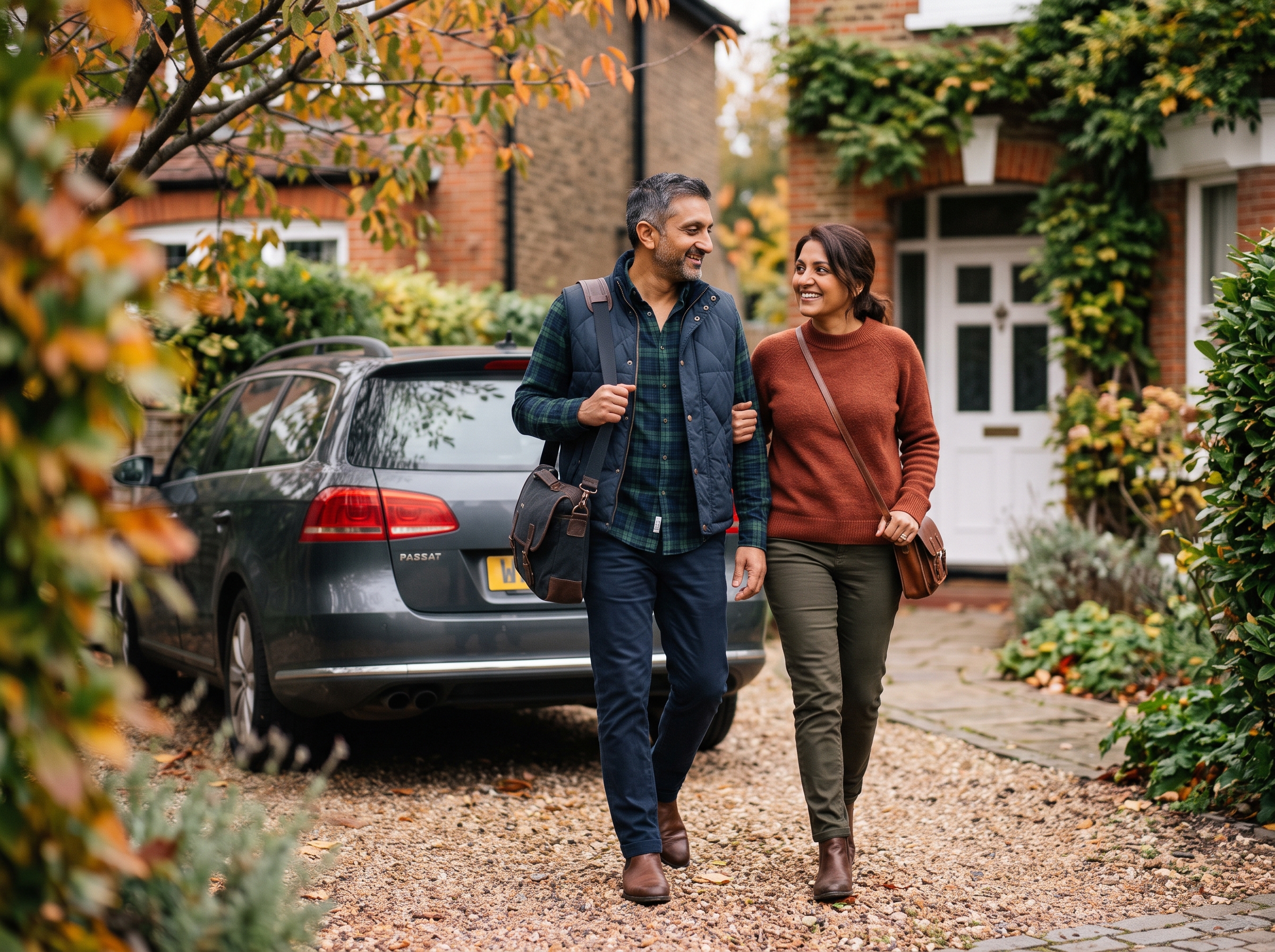
Vehicle-Led targeting uses what a car actually is, its make, model, age, fuel type and class, to build an audience directly from the vehicle, with nothing modelled or inferred.
Reach EV owners and intenders at the exact moment charging becomes part of their routine. Put premium and performance brands in front of drivers already in that marque. Reach the hard-to-find commercial fleet, trade and HGV drivers who live on the motorway network, rather than hoping to catch them elsewhere. Because the signal comes straight from the vehicle.
Reach the exact drivers you want the moment they arrive using 50+ verified vehicle attributes including make, model, fuel type, vehicle age, and MOT status.
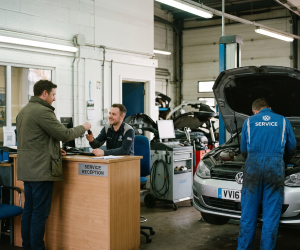
BMW needed to keep owners in its servicing network as cars aged. We read each BMW's age via ANPR and served a different service offer creative for 3 different vehicle ages, so every driver saw the offer that fitted their car.

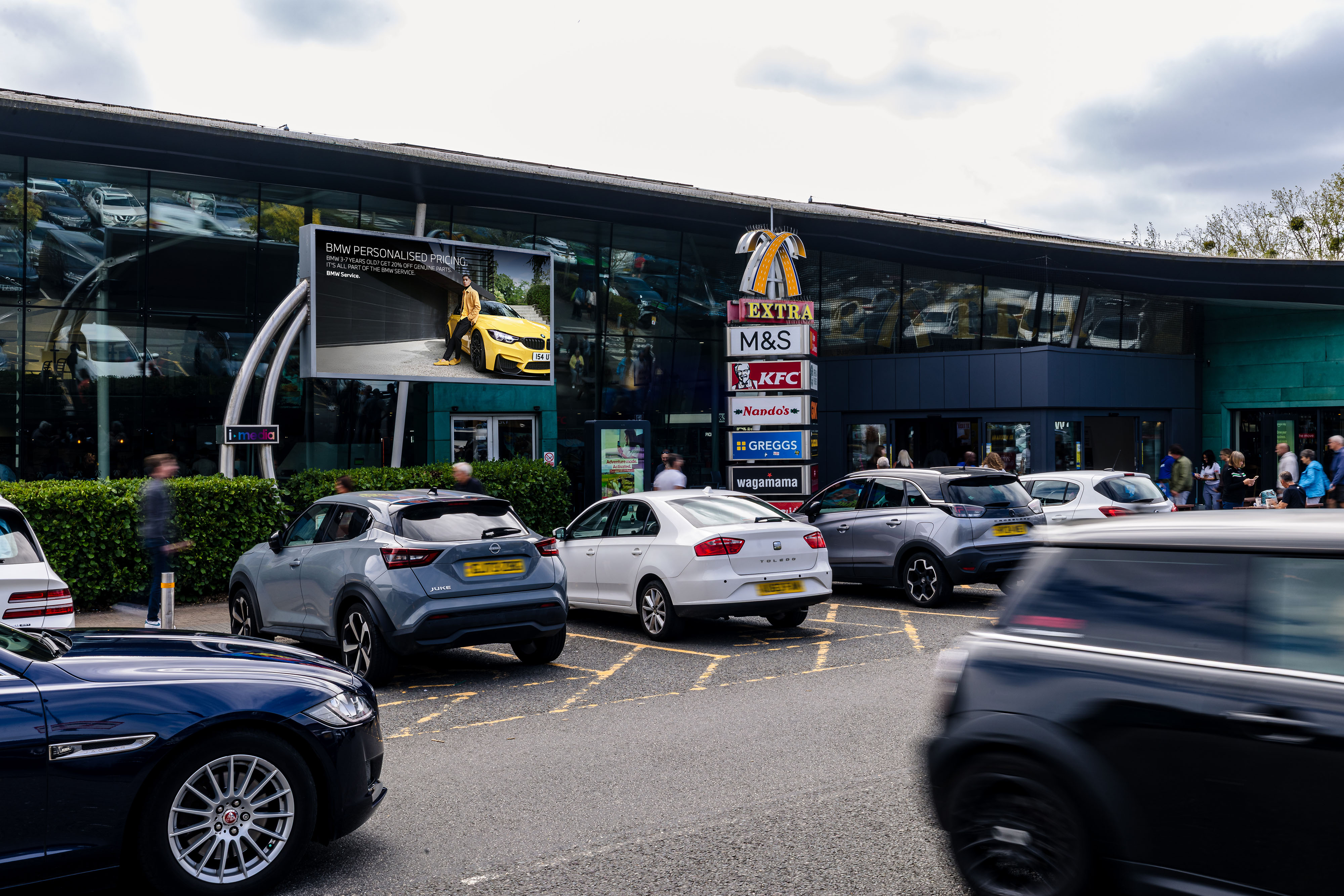
Vehicle-led targeting lets brands reach people by the actual vehicle they are driving. ANPR cameras read every vehicle entering its motorway service areas, so you can target the makes, models and fuel types that matter to your brand.
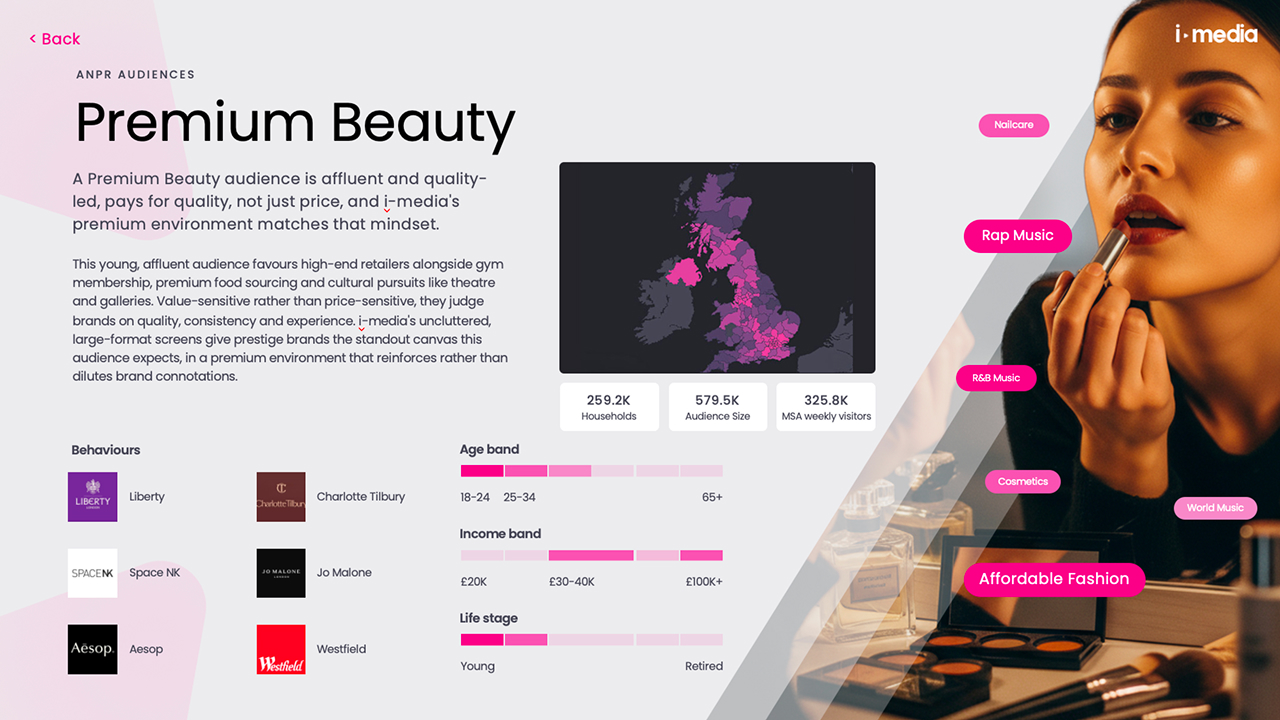
ANPR Audiences matches each vehicle to a postcode sector, and that area to a Starcount audience profile. The result is a defined audience for every screen, built from real spend behaviour rather than modelled estimates. i-media defines audiences, not individuals.
Yes, vehicle-led targeting is the foundation that the geographic, demographic and behavioural options build on, so it can be combined with them. For example, you can layer vehicle data with geography or audience profile to narrow your audience. Reach out to the team to know more.
Yes, vehicle-led targeting with ANPR can reach drivers of rival makes and models, and competitor targeting is a proven use. You choose the vehicles to target, and the right creative reaches those drivers while they are at an i-media motorway service area.